


Experiencing a delay between moving your hand and seeing the action on screen can easily ruin your gaming experience. Often, players blame their internet connection or graphics card, but the actual issue usually lies in peripheral latency. Understanding how your hardware communicates with your computer helps you identify the root cause of these delays.
This guide will help you check your mouse polling rate, evaluate your equipment, and apply practical solutions to make your system highly responsive.

Understand Device Communication Speeds
Learning how your hardware sends signals to your computer is the first step in fixing latency. Grasping polling rate meaning and other basic concepts helps you make informed adjustments to your current gear.
How Updates Work
In simple terms, this measurement indicates how many times per second your device reports its physical position to the computer. It is measured in Hertz (Hz). For example, a 1000Hz mouse polling rate means the device updates its location 1,000 times every single second. A higher number generally translates to a more frequent update cycle, which helps your on-screen crosshair track your physical hand movements accurately.You can easily test your current setup using a mouse polling rate tool.
Tracing the Data Pipeline
When you move your hand, the sensor processes the surface data and sends it to your screen. The update frequency dictates the speed of this data delivery. If the rate is set too low, the computer receives fewer location updates. This creates a small but noticeable gap between your physical motion and the visual response. By increasing the update frequency, you reduce this gap and ensure your inputs register much closer to real time.

Evaluate High-Speed Data Transmission
Upgrading your equipment to support ultra-fast data transfer sounds appealing on paper. However, it is important to weigh the visual benefits against the potential performance costs for your computer system.
Evaluating the Smoothness Factor
The gaming community frequently debates 1k vs 8k polling rate setups. Upgrading to an 8000Hz device sends eight times more data per second compared to a standard 1000Hz device. This massive increase in data transmission can make high-speed tracking look incredibly smooth, especially on monitors with a 240Hz refresh rate or higher. However, noticing the visual difference between a 1k vs 8k polling rate largely depends on individual human perception and the specific game you play.
Monitoring CPU Impact
Choosing an 8000Hz setup introduces a hidden performance cost. Processing 8,000 updates every second requires substantial processing power. If you have an older processor, handling this heavy data flow might cause your game to drop frames or stutter. In these cases, the high update speed actually creates more display lag than it solves. It is helpful to monitor your system performance before committing to maximum settings.
Finding the Sweet Spot
Most users experience diminishing returns when pushing past 1000Hz. While comparing a 1k vs 8k polling rate shows a technical numerical advantage for the 8k side, a stable 1000Hz setting remains highly reliable for the vast majority of players. It provides a very responsive experience without placing heavy stress on your computer hardware.
Choose Between Cable and Cordless Options
Players often struggle to decide between a wired or wireless mouse. Years ago, cables were strictly required for fast-paced play due to severe wireless delay. Today, modern 2.4GHz technology has nearly closed that gap. When testing high-end devices, the latency difference between a wired or wireless mouse is usually less than one millisecond. For standard human reaction times, this tiny fraction of a second is generally imperceptible during actual use.
While speed is no longer the primary issue, signal interference can still cause tracking problems. Routers, phones, and other desk gadgets emit signals that might disrupt a 2.4GHz connection. To maintain stability, place your USB receiver as close to your playing area as possible. If your environment has heavy signal congestion, choosing a wired or wireless mouse might come down to whether you prefer a guaranteed physical connection or untethered movement.
Manage Delay in Typing Devices
Your aiming device is not the only piece of hardware that can slow you down. Keyboards also contribute to system latency based on how they connect and operate.
Identifying Input Lag in Keyboards
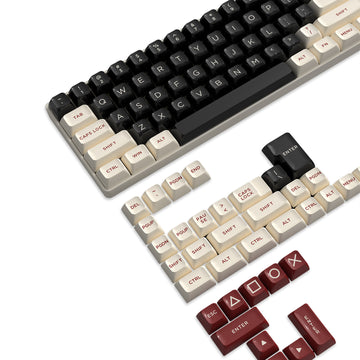
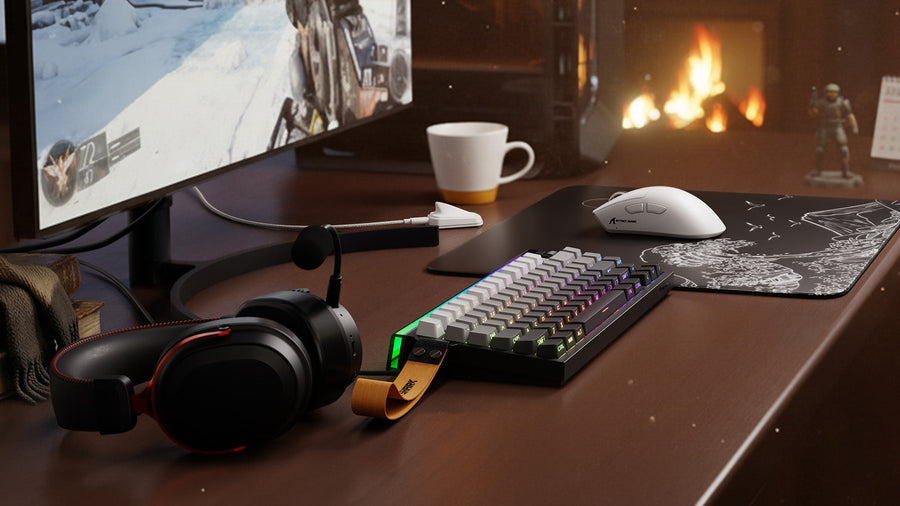
Peripherals go beyond just your mouse. A wireless gaming keyboard can also contribute to overall system latency. Unlike aiming sensors that constantly stream location data, a keyboard only sends data when a switch is physically pressed down. However, the connection method heavily dictates how fast that keystroke reaches your screen.
Selecting the Right Connectivity Mode
To avoid input lag, use the correct connection type on your wireless gaming keyboard:
- 2.4GHz Connection: Use this for fast-paced action. It utilizes a dedicated USB receiver to deliver a rapid update speed.
- Bluetooth Connection: Use this for general typing. Bluetooth uses less battery power but has significantly higher latency.
- Wired Mode: Use this when charging the device to ensure zero signal interference.
Balancing Battery and Performance
Many peripheral manufacturers include power-saving modes. When a wireless gaming keyboard battery runs low, the internal hardware might automatically lower its transmission speed to conserve energy. To prevent sudden input lag during a match, keep your devices sufficiently charged. It is also helpful to check your software settings to ensure performance mode stays active even at lower battery levels.
Update Essential Software Components
Great hardware still relies on optimized software to function correctly. Keeping your mouse driver updated helps prevent unexpected stuttering and input delay.
Hardware is only half the equation; your mouse driver controls how your operating system interprets the physical hardware. Outdated firmware can cause tracking stutters, missed clicks, or inconsistent data delivery. Manufacturers regularly release a new mouse driver to patch these specific bugs and improve sensor efficiency. Checking the manufacturer website or dedicated software suite once a month ensures you run the most stable version available.
Inside your software utility, you can find several settings that impact latency. For instance, adjusting the "debounce time" dictates how quickly the switches register a click. Setting this too high creates artificial delay. Similarly, features like "Motion Sync" attempt to align sensor data with your computer processing cycle. While this improves tracking consistency, it can add a tiny amount of motion delay. Reviewing these settings helps you prioritize pure speed or tracking smoothness.
Apply Practical Setup Adjustments
Making physical and systematic changes to your desk area can yield immediate improvements. A few smart adjustments will help your computer process inputs faster.
Picking Low-Latency Gear
If you want to immediately reduce lag, start by evaluating what is currently on your desk. Using your knowledge of polling rate meaning allows you to look at specifications critically rather than just buying the most expensive option. Select a reliable wired or wireless mouse that fits your hand comfortably, and pair it with a responsive device that offers a dedicated 2.4GHz receiver.
Optimizing Your System Ports
Sometimes the issue is not the device, but where you plug it in. Try these quick system tweaks to improve data flow:
- Plug directly into the motherboard: Avoid using external USB hubs or front-panel case ports, as they can add minor delays.
- Separate wireless receivers: Keep your aiming device receiver and keyboard receiver away from each other to prevent localized signal interference.
- Close background applications: Shut down unnecessary programs to free up CPU resources, ensuring your computer can handle high data rates smoothly.
Ensuring a Lag-Free Experience
Fixing system lag involves looking closely at how your equipment communicates with your computer. By understanding fundamental concepts like polling rate meaning and properly managing your hardware settings, you can eliminate frustrating delays. Whether you prefer the reliability of a wired or wireless mouse, or value the clean look of a wireless gaming keyboard, proper configuration makes a major difference. Apply these hardware and software adjustments to ensure your inputs register instantly, giving you a highly responsive experience.
FAQs
What is a good mouse polling rate for casual gaming?
A standard 1000Hz is highly recommended for most players. It offers a great balance of responsiveness and low system strain.
Does a wireless gaming keyboard need an 8000Hz update speed?
Generally, no. Keyboard inputs do not require the continuous tracking data that an aiming sensor does. A 1000Hz connection is highly sufficient.
Why does my game stutter when I use a high update frequency?
This usually happens when your CPU struggles to process the massive influx of data. Lowering the setting from 8000Hz back down to 1000Hz inside your mouse driver often fixes the stuttering.
Should I buy a wired or wireless mouse for a laptop setup?
A wireless option is often more convenient for laptops due to fewer tangled cords, provided you use a strong 2.4GHz connection rather than Bluetooth.